Yemeni Cuisine
A Journey Through Flavors and Traditions
Discover the rich culinary heritage of Yemen, where ancient cooking techniques, regional spices, and cultural rituals blend to create dishes that tell the story of a nation.

Yemeni Cuisine
Discover the rich culinary heritage of Yemen, where ancient cooking techniques, regional spices, and cultural rituals blend to create dishes that tell the story of a nation.
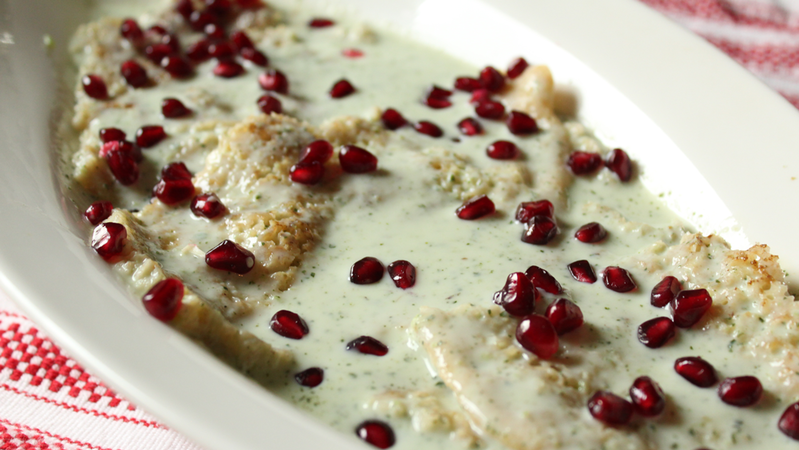
Shafoot stands as a timeless testament to the ingenuity of rural Yemeni communities, who mastered the art of food preservation long before modern refrigeration. Born out of a need to utilize surplus grains and fermented dairy in the countryside, it evolved from a humble peasant meal into a cherished national dish. While enjoyed across the country, it is most famously perfected in the historic capital of Sana'a and the surrounding central highlands.
At its heart, Shafoot is an assembly of Lahoh—a light, spongy, sourdough flatbread made from fermented corn or wheat flour. The bread is generously soaked in fresh, cold buttermilk (Haqeen) infused with Sahawiq Akhdar, a vibrant green condiment blended from coriander, mint, garlic, and green chilies that delivers an incredibly refreshing kick.
Culturally, Shafoot is the undisputed star of the holy month of Ramadan. No Yemeni Iftar table is considered complete without it. Its cool temperature and probiotic properties make it the perfect, soothing dish for the stomach after a long day of fasting. Often garnished with bright pomegranate seeds, it balances visual beauty with deep nutritional value.
Sources: (Encyclopedia of Yemeni Folklore / Anthropological Studies of Yemeni Food Culture).
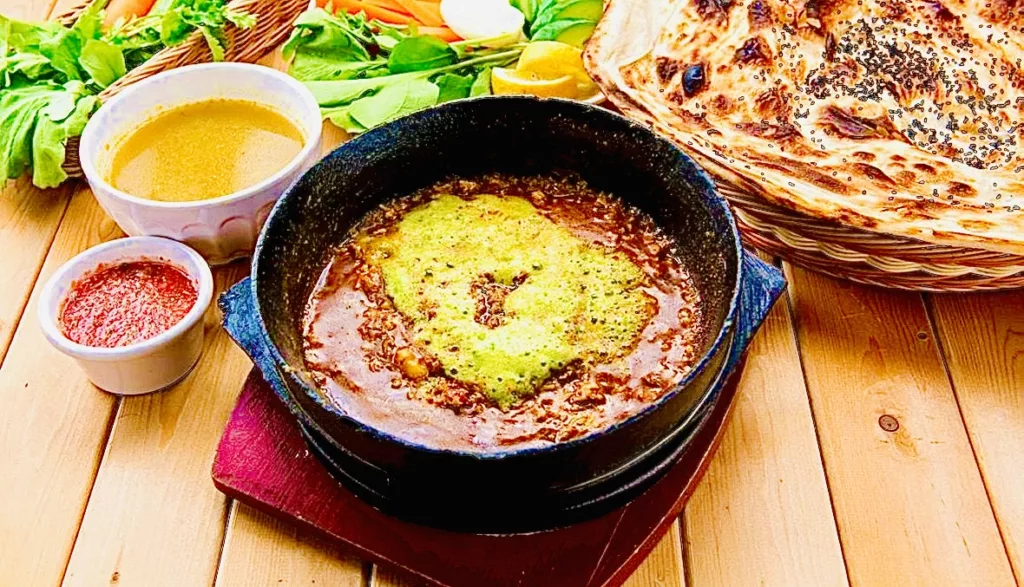
Saltah beautifully captures the story of cultural fusion in Yemen. Historical accounts suggest its roots trace back to the first Ottoman era in Yemen, originating as a resourceful way to combine leftover meats, broths, and stews into a single clay pot to feed the poor or soldiers. However, the cooks of Sana'a completely reinvented this mixture, crowning it with whipped fenugreek froth to transform it from a meal of leftovers into Yemen's ultimate national dish and a symbol of Sana'ani heritage.
The dish is built on a base of piping-hot lamb or chicken broth, layered with rice, cooked potatoes, and spiced minced meat. It is then topped with its defining feature: Hilbah, a whipped fenugreek paste beaten until thick, airy, and white, spiked with fiery herbs. What truly sets Saltah apart is its dramatic presentation; it must be cooked and served bubbling furiously inside a Madrah or Hardhah, a traditional bowl hand-carved from black volcanic stone that retains heat until the very last bite.
Saltah is the centerpiece of the main daily lunch, holding an almost sacred status during Friday family gatherings. Eaten communally, it is scooped up using pieces of fresh, blistered Malwouj or Rashoush bread straight from the clay oven.
Sources: (Sana'a: Tales of a City / Documentation of Intangible Heritage, Yemeni Ministry of Culture).
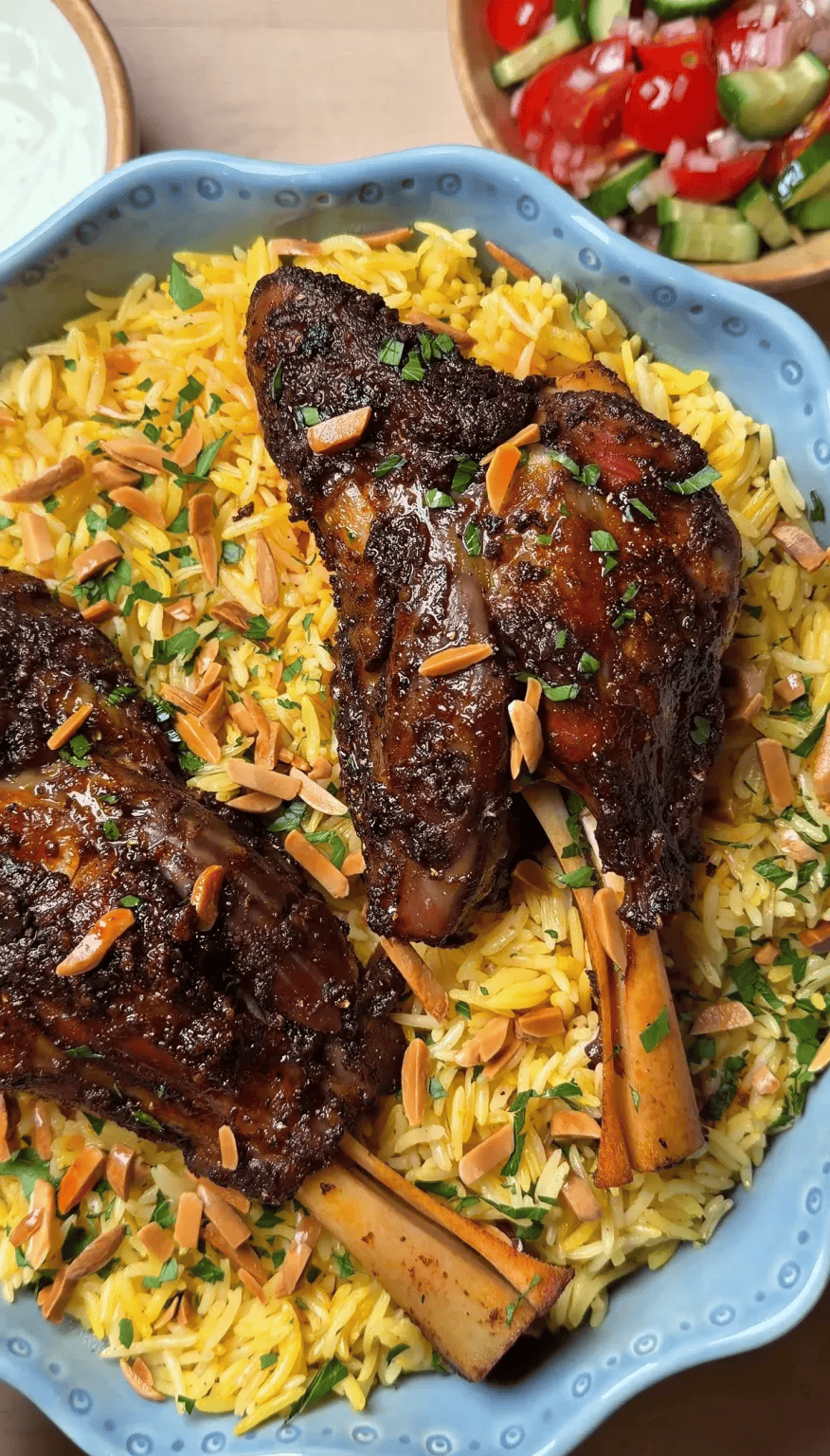
Adeni Zurbian is a delicious chronicle of Aden’s history as a global port city where the cultures of the Indian Ocean merged. The dish originally evolved through interactions with Indian Biryani, a byproduct of centuries of maritime trade, cultural exchange, and migration between Aden and the Indian subcontinent during the 19th and 20th centuries. However, Adeni chefs made the dish entirely their own, opting for a heavy yogurt marinade and a specific slow-braising technique that gives the meat a melt-in-your-mouth tenderness distinct from its Indian ancestor.
This luxurious dish consists of long-grain Basmati rice cooked with cuts of lamb (or chicken) that have been marinated for hours in a rich blend of yogurt, crushed garlic, and aromatic spices like cardamom, cinnamon, cloves, and saffron. A defining hallmark of the authentic Adeni version is the inclusion of whole, tender potatoes cooked directly in the spiced broth. The dish is finished with a generous blanket of crispy fried onions and infused with a smoky aroma by dropping a hot coal into a splash of oil inside the sealed pot.
In the cultural fabric of southern Yemen, Zurbian is the ultimate dish for weddings, grand feasts, and major celebrations. Serving it to guests represents the highest form of hospitality, luxury, and joy in coastal Adeni culture.
Sources: (Aden: History and Culture / Yemeni Center for Research and Studies).

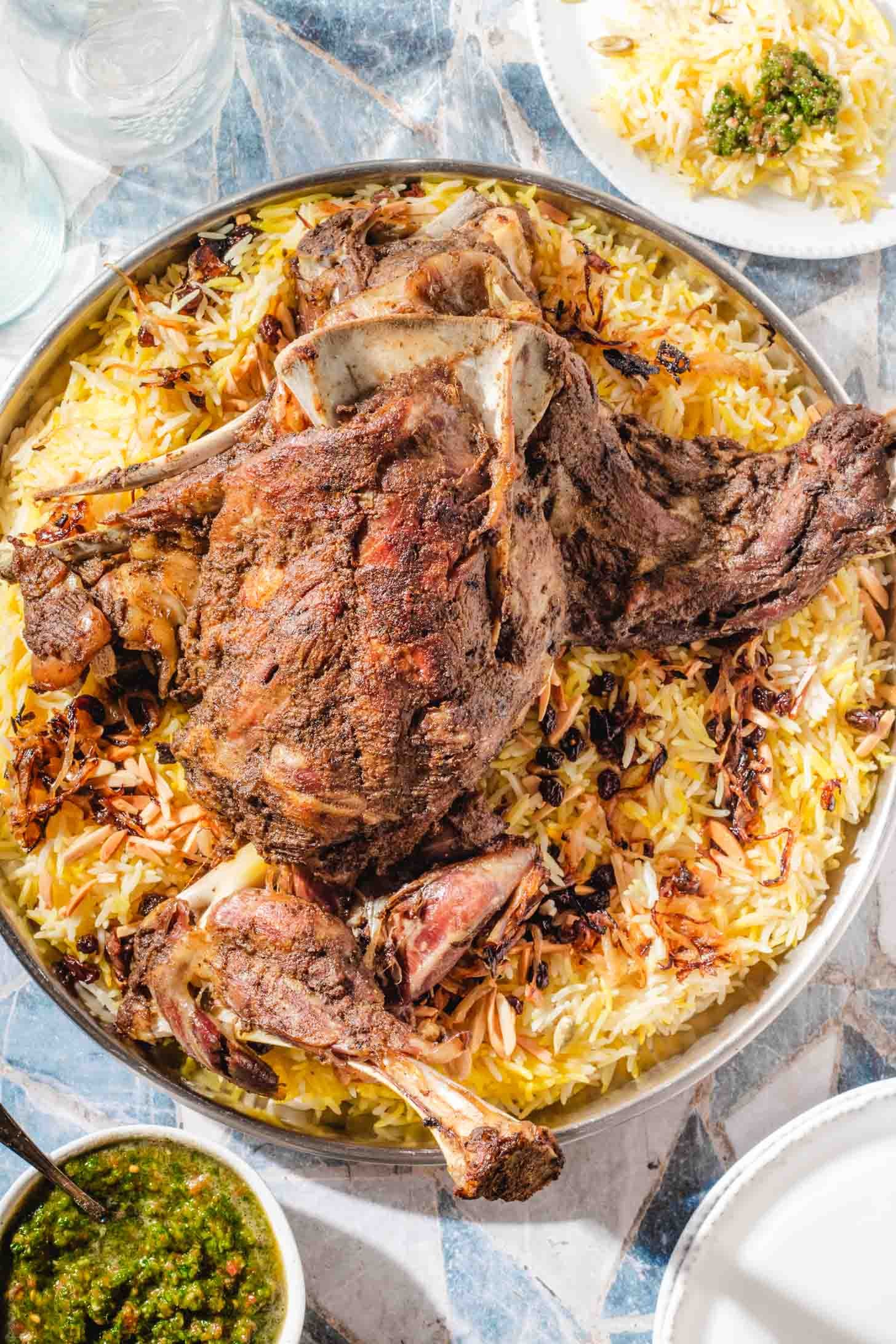
Mandi represents the pinnacle of human adaptation to the arid desert environments of the Hadramout valley. Centuries ago, local inhabitants invented a brilliant way to cook meat using thermal insulation beneath the earth, requiring minimal firewood and water. This nomadic, ancestral cooking method evolved from a survival technique into a world-renowned luxury style of cooking, carried across the globe by the Hadrami diaspora.
The brilliance of Mandi lies in its minimalist ingredients combined with engineering precision. A young lamb or goat is lightly seasoned with salt, saffron, and mild spices, keeping the focus entirely on the natural flavor of the meat. The meat is suspended on a metal wire inside the Tannour—a deep pit dug into the ground, lined with volcanic clay, and heated with wood until it turns to red-hot embers. A pot of rice is placed at the very bottom of the pit, directly beneath the meat. The pit is then completely sealed with mud and damp cloths to trap every drop of steam. As it slow-cooks, the rendering fat and juices from the meat drip down onto the rice, infusing it with an incomparable richness.
Mandi is deeply intertwined with tribal feasts, welcoming honorable guests, weddings, and reconciliation gatherings. The moment the pit is unsealed and the smoky, tender meat is lifted out in front of the guests is a celebrated ritual of Yemeni hospitality.
Sources: (The Economic and Social History of Hadramout / Chronicles of Folk Cuisine in the Southern Arabian Peninsula).
Haneedh is a dish deeply rooted in ancient Arabian history, even earning a mention in the Quran as a symbol of ultimate hospitality ("a roasted/Haneedh calf"), showcasing a prehistoric tradition of pit-roasting on hot stones. This dish evolved along the coastal plains of Tihama and the rugged Western Mountain Range of Yemen, utilizing the raw elements of the local environment to slow-cook meat to perfection.
While the primary ingredient is high-quality goat or lamb, the true secret of Haneedh lies in the use of leaves from the wild Mirkh tree (or banana leaves in certain valleys). A wood fire is lit inside the Mahnadh (an underground clay or stone oven) until it burns down to embers and heats the volcanic stones at the bottom to an intense temperature. A thick bed of Mirkh leaves is placed over the stones, followed by the meat. The layers are separated by more leaves, which prevent the meat from burning and release an herbal, aromatic sap under the intense heat, yielding incredibly tender meat with a distinct, rustic fragrance.
Haneedh is the quintessential celebratory meal for Eid holidays (especially Eid al-Adha). Historically, it was also central to coming-of-age celebrations and acts as a culinary peace offering during tribal diplomacy, traditionally served over a bed of spiced rice or traditional Tihami red flatbread (Khameer).
Sources: (The Geographical Dictionary of Yemeni Countries / Lisan al-Arab Dictionary on Ancient Cooking Techniques).