Art & Music
Melodies that Shaped the Identity of a Nation
Explore the legacy of Yemen’s most iconic musical pioneers, whose voices and melodies transcended borders to preserve and modernize a rich cultural heritage.


Art & Music
Explore the legacy of Yemen’s most iconic musical pioneers, whose voices and melodies transcended borders to preserve and modernize a rich cultural heritage.
Art & Music
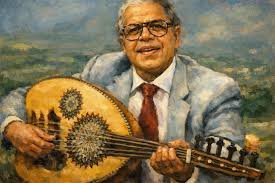
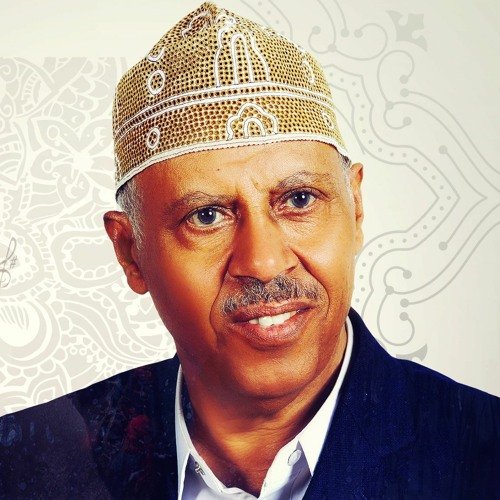
Abu Bakr Salem Balfaqiah, affectionately known as Abu Al-Aseel, was born on March 17, 1939, in the historic Sufi center of Tarim in Hadramout. Raised in a family of prominent scholars and intellectuals, he initially pursued a career as an educator in Arabic language and literature. This academic background profoundly influenced his artistic journey, granting him an exceptional command of lyricism and a meticulous eye for choosing both Classical Arabic and traditional Humayni poetry.
In the 1950s, his musical career took off following his debut on Aden Radio. He later moved to Beirut before permanently settling in Saudi Arabia. Revered as a transformative icon of modern Arabic and Khaleeji (Gulf) music, Balfaqiah's extraordinary vocal talent earned him international acclaim, including UNESCO's prestigious "Best Voice in the World" award in 1978. He passed away on December 10, 2017, concluding a brilliant career that spanned more than half a century.
At the core of Balfaqiah’s artistry lies the Hadrami musical tradition, particularly the classical Dan Hadrami genre. Rather than just preserving this regional style, he revolutionized it, introducing it to the broader Arab world. By seamlessly blending the strict rules of Dan with modern orchestration, he integrated Western instruments without compromising authentic rhythmic foundations like the Sharh, Zurbadi, and Ramhah.
His signature sound was defined by a rare operatic baritone-to-bass vocal range, marked by incredible breath control and a vast dynamic register that moved effortlessly between profound lows and soaring highs. As a singer-songwriter who frequently composed his own material, his works possessed a rare emotional cohesion, matching melodic structures perfectly to the poetic narrative. Heavily influenced by the spiritual chants and Sufi invocations of his youth, Balfaqiah often infused his romantic ballads with a soulful, meditative quality, lending his entire repertoire an enduring sense of majesty and reverence.

Art & Music
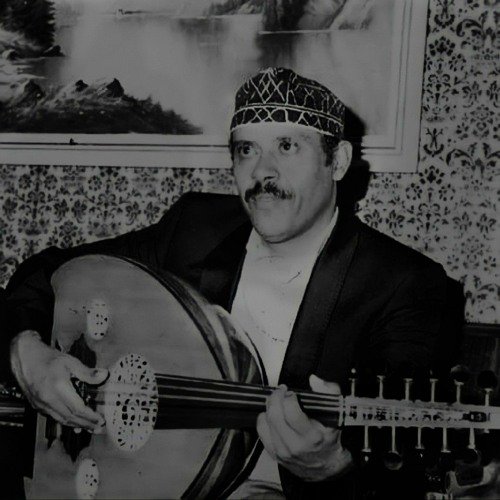
Ayoob Tarish Absi was born in 1942 in the scenic village of Al-A'boos in the Taiz governorate. The serene, terraced landscapes of his rural upbringing deeply shaped his artistic sensibilities. In the early 1950s, he relocated to Aden to pursue his education and early career. Committed to grounding his raw, intuitive talent in academic theory, Tarish traveled to Cairo in the 1970s to study at the prestigious Higher Institute of Arabic Music.
His career reached legendary status through his historic artistic partnership with the renowned poet Abdullah Abdulwahab Noaman, widely known as "Al-Fodhool." Together, they produced an unparalleled catalog of romantic and patriotic masterpieces. Decorated with Yemen’s highest cultural honors, Tarish immortalized his legacy by composing and performing the Yemeni National Anthem. Today, he is celebrated as a definitive symbol of national and cultural unity across the country.
Tarish pioneered a distinct musical genre that fuses the Taizi folk traditions of central Yemen with elements of Lahji and Adeni urban music, adapting traditional structures into modern, expressive arrangements. He is universally recognized as the definitive musical voice of the Yemeni countryside, channeling the essence of rural life through melodies inspired by agricultural cycles, harvest festivals, and peasant folklore.
His repertoire also deeply resonates with the Yemeni diaspora, beautifully capturing the poignant longing, isolation, and nostalgia of expatriate life. The synergy between Tarish’s signature warm, raspy vocals and Al-Fodhool’s evocative poetry birthed a school of performance where music serves as a profound emotional translation of love, loyalty, and homeland rather than mere entertainment. This innovative approach also reshaped Yemeni patriotic music, replacing rigid military marches with vibrant, culturally rich anthems that utilize both Eastern and Western instrumentation while preserving native rhythmic foundations.
Art & Music
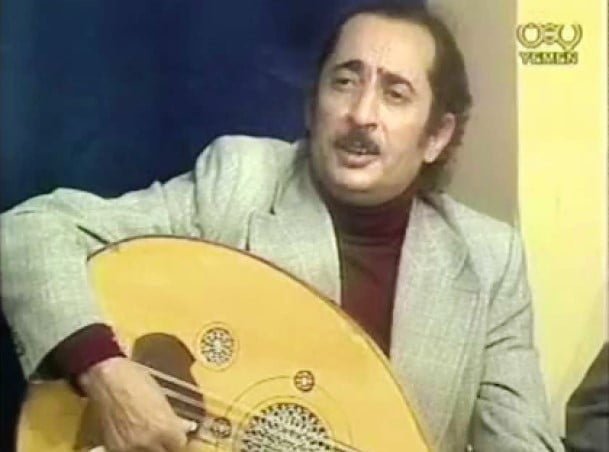
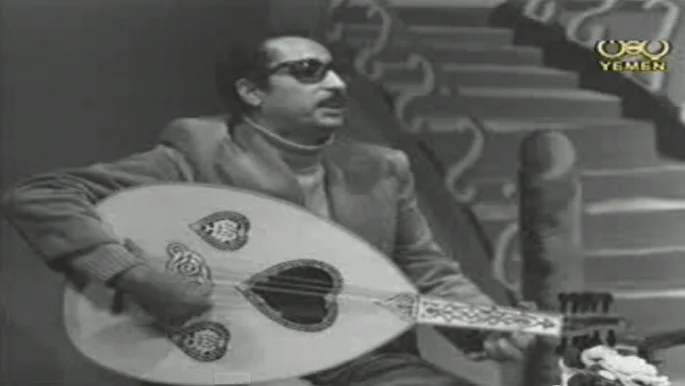
Ali bin Ali Al-Ansi was born in 1933 in the traditional Bir Al-Azab quarter of Sana'a. Immersed in the rich cultural heritage of the capital, he developed an early passion for string instruments, eventually mastering the oud (lute). In his youth, Al-Ansi entered military service and played a pivotal cultural role following the historic September 26 Revolution of 1962.
Commissioned as an officer, he founded the military's musical and theatrical guidance division, leveraging his position and Sana'a Radio to revitalize traditional and patriotic arts. His artistic synergy with the poet Ahmed Naji Al-Ansi and other masters of Humayni literature cemented his status as a pillar of modern folk music. Renowned for his socially conscious artistry and honored with numerous state medals, Al-Ansi passed away on April 17, 1981, leaving behind an invaluable archive that remains a cornerstone for ethnomusicologists today.
Al-Ansi stands as a monumental figure within the classical Sana'ani musical tradition, celebrated for modernizing classical Muwashah and Humayni poetry without stripping them of their historical authenticity. He possessed a rare technical command over highly complex Eastern modal systems (maqamat), navigating intricate structures like Athar Kurd, Hijaz, and the regional Sana'ani Bayati with flawless precision.
As an oud virtuoso, Al-Ansi established an influential performance style defined by powerful, pristine string dynamics and a rapid tremolo (trillo) technique that created a rich, self-sustaining harmonic texture, effectively mimicking a full backing ensemble. His deep, resonant baritone voice added a layered, philosophical gravity to his performances; he approached singing as a dramatic medium capable of conveying profound existential resilience, as demonstrated in his masterpiece Edhak Ala Al-Ayyam (Smile through the Days). Furthermore, he revolutionized patriotic music by infusing rigid military cadences with the lyrical elegance of folk heritage, making patriotic anthems deeply accessible and cherished by the general public.